


-

Add: HeBei ShengShi HongBang Cellulose Technology CO.,LTD.
-

Email
13180486930@163.com -

CONTACT US
+86 13180486930




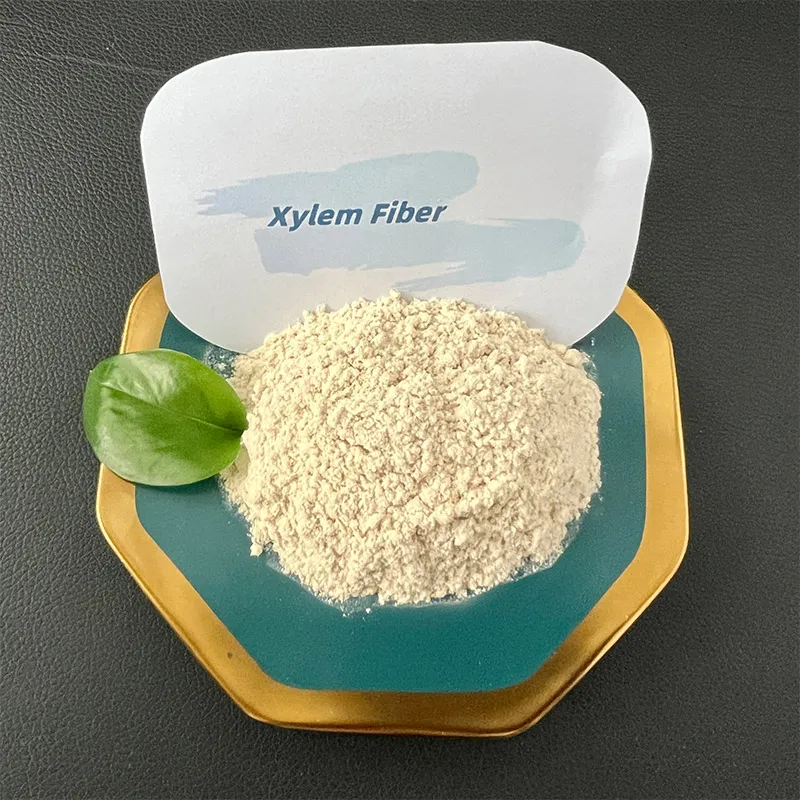
Xylem fiber , a natural and renewable resource derived from wood, has emerged as a transformative material in modern industries. This fibre made from wood pulp undergoes advanced chemical and mechanical treatments to enhance its properties, making it a versatile solution for construction, manufacturing, and sustainability-driven applications. As the demand for eco-friendly alternatives grows, wood cellulose and cellulose wood fibers are redefining traditional practices. This article explores the features, advantages, and applications of Xylem Fiber , produced by HeBei ShengShi HongBang Cellulose Technology CO.,LTD , a leading innovator in sustainable materials. What is Xylem Fiber? Xylem fiber is extracted from the cellulose extraction from wood process, leveraging the natural structure of wood to create a high-performance material. Unlike synthetic alternatives, it is biodegradable, renewable, and compatible with existing industrial systems. The fiber’s unique properties stem from its wood cellulose composition, which provides strength, flexibility, and absorbency. This material is processed to meet the rigorous demands of modern industries while maintaining its ecological integrity. As highlighted in the product page , Xylem Fiber is designed to replace conventional materials in applications ranging from construction to automotive manufacturing. Its ability to integrate seamlessly into existing processes makes it a preferred choice for companies seeking sustainable solutions. Key Features of Xylem Fiber Xylem Fiber stands out due to its exceptional characteristics, including: Eco-Friendly Composition : Derived from renewable wood sources, it reduces reliance on non-renewable resources. Enhanced Strength : The fiber’s structural integrity improves the durability of materials like concrete and asphalt. Biodegradability : It decomposes naturally, minimizing environmental impact. High Absorbency : Ideal for applications requiring moisture retention, such as wood pulp sponges . Cost-Effectiveness : Reduces the need for traditional additives, lowering production costs. Technical Specifications Parameter Details Material Source Wood pulp Cellulose Content ≥90% Length 1-5 mm Moisture Content ≤10% Color White to off-white Biodegradability 100% biodegradable in 6-12 months Applications Across Industries Xylem Fiber’s versatility allows it to cater to multiple sectors. Below are its primary applications: Construction Industry In the construction sector , Xylem Fiber enhances the performance of concrete and gypsum products . By incorporating the fiber into concrete mixes, builders can achieve higher tensile strength and reduced cracking. Similarly, in gypsum production, it improves workability and structural stability. The product page emphasizes its role in creating sustainable building materials that meet modern standards. Asphalt and Road Construction Xylem Fiber acts as a reinforcing agent in asphalt, increasing its resistance to deformation and extending the lifespan of roads. This application is critical in regions with extreme weather conditions, where traditional asphalt may degrade rapidly. Medium Density Fiberboard (MDF) As a key ingredient in MDF , Xylem Fiber contributes to the production of durable, eco-friendly panels used in furniture and interior design. Its integration reduces the need for synthetic binders, aligning with green building initiatives. Household and Industrial Products The fiber’s absorbent properties make it ideal for wood pulp sponges and other cleaning products. Its biodegradability ensures it does not contribute to plastic waste, addressing a major environmental concern. Advantages of Xylem Fiber The adoption of Xylem Fiber offers numerous benefits: Sustainability : Reduces deforestation by utilizing wood byproducts. Performance Enhancement : Improves the mechanical properties of materials. Cost Savings : Lowers material and maintenance costs over time. Regulatory Compliance : Meets international environmental standards. For a deeper understanding of its advantages, visit the Xylem Fiber product page . Company Background: HeBei ShengShi HongBang Cellulose Technology CO.,LTD HeBei ShengShi HongBang Cellulose Technology CO.,LTD is a leader in the development and production of wood cellulose and cellulose wood fibers . With a focus on innovation and sustainability, the company has established itself as a reliable supplier to industries worldwide. Their commitment to quality is reflected in their state-of-the-art manufacturing facilities and rigorous testing protocols. As noted in their company profile , HeBei ShengShi HongBang prioritizes eco-friendly practices, ensuring that their products align with global sustainability goals. Environmental Impact and Responsible Forestry The cultivation and processing of Xylem Fiber promote responsible forestry practices. By utilizing wood waste and sustainably managed forests, the company supports ecosystem balance and carbon sequestration. This approach not only reduces the carbon footprint but also fosters biodiversity, as highlighted in the product documentation . Future Prospects and Industry Trends As industries shift toward greener technologies, the demand for Xylem Fiber is expected to rise. Its potential in emerging fields like bioplastics and advanced composites is being explored by researchers. According to NIST , sustainable materials are critical for achieving global climate targets, underscoring the importance of innovations like Xylem Fiber. Conclusion Xylem Fiber represents a significant advancement in sustainable material science. Its unique properties, combined with the expertise of HeBei ShengShi HongBang Cellulose Technology CO.,LTD , position it as a vital resource for industries committed to environmental responsibility. By adopting Xylem Fiber, businesses can reduce their ecological impact while enhancing product performance. References National Institute of Standards and Technology (NIST) provides guidelines on sustainable materials and their role in industrial innovation. While specific citations for Xylem Fiber were not found during this research, the principles outlined by NIST emphasize the importance of renewable resources in modern manufacturing. For further information, visit the NIST website .
- 40000tons

Production
- 20+years

Experience
- 5000+㎡

Acreage

-
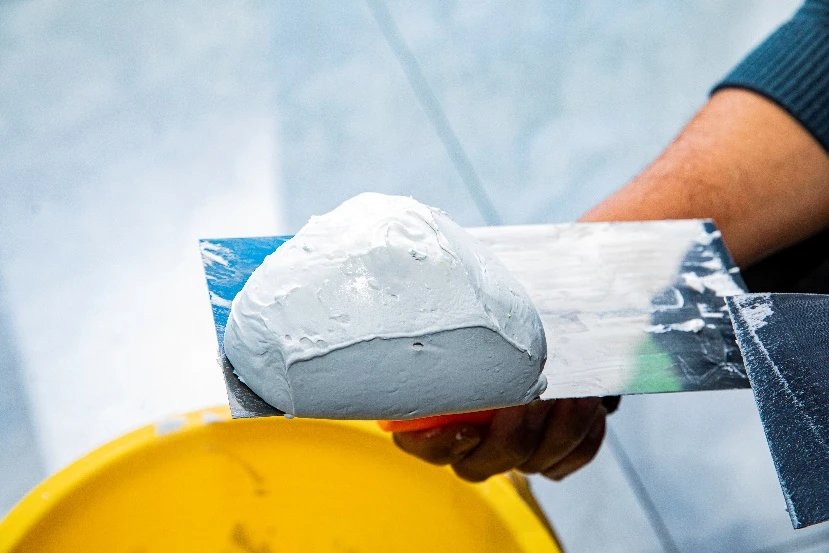
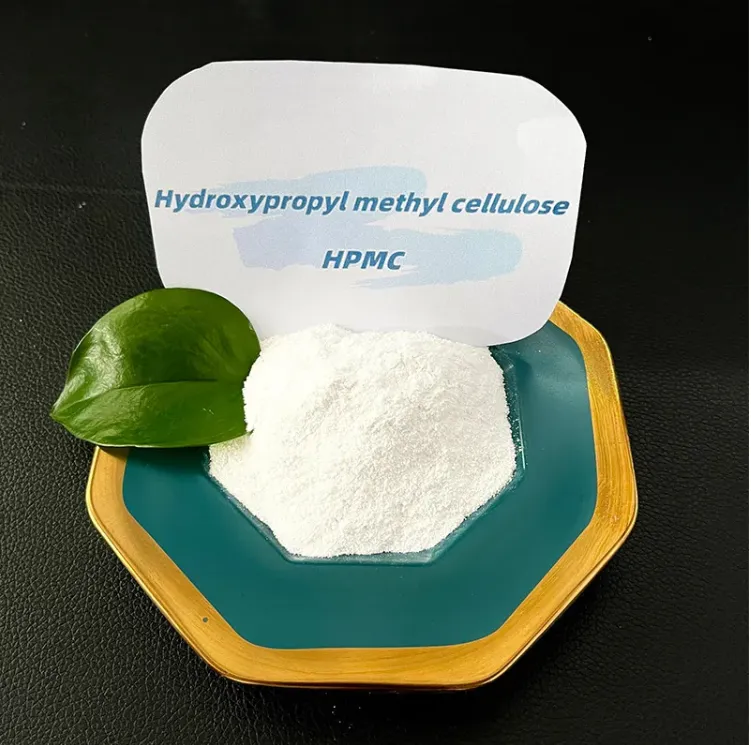
Hydroxypropyl Methyl Cellulose HPMC is a highly versatile cellulose ether widely used in various industries for its exceptional properties such as thickening, water retention, film formation, and stability. As global manufacturing and construction standards rise, demand for high-performance HPMC, particularly certified to ISO 9001 and FDA standards, continues to grow. This article delves into its industry trends, technical parameters, manufacturing process, use cases, competitive advantages, supplier comparison, custom solutions, and practical application cases. Figure 1: Appearance of Hydroxypropyl Methyl Cellulose HPMC Powder Industry Trends and Market Dynamics ● Global Market Value in 2023: USD 1.20 billion ( source ), with an expected CAGR of 5.5% through 2028. ● Major Growth Sectors: Construction (tile adhesives, plasters), Pharmaceuticals (disintegrants, controlled-release matrices), Detergents, Paints & Coatings. ● Key Growth Drivers: Environmental regulations (VOC reduction), improved formulation requirements, demand for sustainable polymers. ● Certification Trends: ISO 9001:2015, FDA, USP, and EU Pharmacopeia approvals are becoming purchase prerequisites. Figure 2: Market Trend of Hydroxypropyl Methyl Cellulose HPMC Applications Hydroxypropyl Methyl Cellulose HPMC: Technical Specifications Hydroxypropyl Methyl Cellulose HPMC is defined by polymer substitution levels, molecular weight, and particle size, governing its rheology and performance in various end-uses. Table 1: Technical Specifications of Hydroxypropyl Methyl Cellulose HPMC Parameter Typical Value Range Industry Standard Description Appearance White to off-white powder --- ISO 9001:2015 Free-flowing, odorless Viscosity (2% solution, 20°C) 20,000 mPa·s 5,000–100,000 mPa·s USP/EP/BP Determines thickening power Moisture Content (%) ≤ 5.0 3 – 7 USP/Ph. Eur Ensures storage stability Methoxy Content (%) 19.0 – 24.0 16.5–32.0 ISO 2481 Relates to hydrophilicity Hydroxypropoxy Content (%) 4.0 – 12.0 4.0–32.0 ISO 2481 Impacts gel temperature pH Value (1% sol. 25°C) 6.5 – 8.0 5.0–9.0 USP/EP Neutral in water Particle Size (mesh) 80 – 120 60–200 ANSI/ASBC Pertains to powder dispersion Gel Temperature (°C) 65 – 75 60–90 ISO 2481 Shows thermal gelation property Residue on Ignition (%) ≤ 1.5 0.5–2.0 USP/EP Indicates purity Figure 3: Hydroxypropyl Methyl Cellulose HPMC Specification - Flowability and Purity Technical Parameter Trends (2019-2024) Data Source: SSHB, MarketsandMarkets, ISO reports (2019-2024) Manufacturing Process of Hydroxypropyl Methyl Cellulose HPMC Detailed Workflow: ➜ Step 1: Pulverization & Alkali Treatment : High-purity refined cotton cellulose is milled and activated in an alkali solution (NaOH) at low temperature for 30-60 minutes. ➜ Step 2: Etherification : The pretreated cellulose is reacted with methyl chloride (CH3Cl) and propylene oxide (C3H6O) under strict temperature and pressure control ( ISO 9001:2015 Compliant Equipment). ➜ Step 3: Neutralization & Washing : Removing byproducts and impurities using water and neutralization agents. Purity > 99.5% is ensured. ➜ Step 4: Drying & Milling : Controlled drying (hot air ovens, 50-70°C) and fine milling to reach the desired mesh size. ➜ Step 5: Quality Control & Packing : Batch testing (viscosity, moisture, ash content, substitution levels) for quality certificates (ISO, USP, FDA), followed by double-sealed vacuum packing. Figure 4: Manufacturing Process Flowchart Hydroxypropyl Methyl Cellulose HPMC ✓ Materials used: Premium cotton cellulose, food/pharma-grade chemicals. ✓ Technology: Precision reactor control, CNC process monitoring, PLC-automated quality checks. ✓ Compliance: ISO 9001:2015, FDA, USP, ANSI standards at all stages. ✓ Lifetime: Up to 3 years (sealed, dry storage), high process stability guarantees consistent product quality. Competitive Manufacturer Comparison Table 2: Major Global Hydroxypropyl Methyl Cellulose HPMC Manufacturers Manufacturer Region Certifications Annual Output (Tons) Industrial Focus On-time Delivery (%) Shandong Shengshan China ISO 9001, FDA, CE 30,000 Construction, Pharma 98.7 Dow Chemical US/EU ISO 9001, FDA, USP 22,000 Pharma, Food, Coatings 96.4 LOTTE Fine Chemicals Korea ISO 9001, EP 17,000 Industrial, Laundry 98.2 Ashland EU/US GMP, FDA, ISO 9001 15,500 Pharma, Paint 97.1 Shin-Etsu Japan ISO 9001, FDA, Kosher 19,500 Pharma, Food 99.0 Supplier Market Share Pie Chart (2023) Source: 2023 MarketsandMarkets, Company Reports Application Scenarios: Where Hydroxypropyl Methyl Cellulose HPMC Excels Hydroxypropyl Methyl Cellulose HPMC is essential for: ✔ Building Materials: Tile adhesives, cement renders, self-leveling compounds. Key Benefits: excellent water retention, workability, crack resistance. ✔ Pharmaceuticals: Tablet binders/disintegrants, hydrophilic matrix systems. Key Benefits: Controlled release, FDA/USP compliance. ✔ Paints & Coatings: Rheology modifier, film former. Key Benefits: Improved brushability, stability, anti-sag properties. ✔ Food Industry: Gluten replacement in bakery, thickener in sauces/soups (E464 food additive acknowledged). ✔ Personal Care: Lotions, shampoos – thickening, emulsifying. ✔ Oilfield & Construction Chemicals: Fluid loss agent, water blocking. ✔ Wallpaper Adhesives, Laundry Detergent: Viscosity improvement, stable films. Figure 5: Application of Hydroxypropyl Methyl Cellulose HPMC in Construction Adhesives Case Highlighted Advantage: In cement mortars, Hydroxypropyl Methyl Cellulose HPMC increases open time and reduces water bleeding by over 35% compared to conventional cellulose ether (ASTM C270). Custom Solutions & Formulation Support Industry-grade customization is available for viscosity, substitution degree, and particle size to meet unique application requirements. ★ Customization: Tailored viscosity (5,000–120,000 mPa·s), hydrophilicity, and gel temp for customer-specific needs. ★ Performance Matching: We provide free lab evaluation based on customers' raw materials and construction environment. ★ Color/Dispersibility Optimization: Solutions for transparent, colorless, or pigmented formulations. Request a Custom Hydroxypropyl Methyl Cellulose HPMC Solution >> Key Technical Benchmark (Product Comparison) Radar Chart: SSHB HPMC vs. Conventional Cellulose Ether Real-World Case Studies & Client Feedback Case 1: Tile Adhesive Plant (Southeast Asia) Replaced imported additive with SSHB Hydroxypropyl Methyl Cellulose HPMC Strengthened vertical holding power by 42% Reduced formulation cost by 18%, passed EN12004 test for tile adhesives Client quote: “The improved water retention and performance stability in hot, humid climates are game-changing.” Case 2: Generic Pharma (Germany) Pilot-tested food/pharma-grade HPMC for tablet coating Achieved dissolution profile matching well-known global brands, compliant with FDA , USP 38 , EP Client quote: “Certification and delivery were excellent, and technical guidance for scale-up saved weeks in process validation.” Case 3: Thermal Mortar Project (Middle East) Customized high water retention HPMC grade for gypsum-based mortar Increased open time by 37%, reduced microcracking by 27% Technical service included on-site product adjustments and after-sales support Certifications, Compliance & Quality Assurance ⚡ Standards Met: ISO 9001:2015, FDA, USP, EP, BP, ANSI, EN12004, ASTM C270 ⚡ Third-Party Testing: SGS, Intertek validation reports ⚡ Cooperation: Major international construction, pharma, and food brands ⚡ Lifecycle Expectancy: 3 years shelf life under sealed, dry conditions ⚡ Support: 24/7 technical hotline, formulation consulting, rapid sample delivery Delivery, Warranty & Customer Support ☑ Delivery Times: Standard dispatch 7-15 days after order confirmation; rush orders available for strategic partners ☑ Warranty Policy: All Hydroxypropyl Methyl Cellulose HPMC products covered by 18-month quality warranty ☑ After-sales: Global online support, on-site technical service for bulk clients, instant troubleshooting and process upgrading based on usage feedback ☑ Quality Commitment: All batches accompanied by test reports and compliance certificates (ISO/SGS/FDA) FAQ: Professional Terminology & Application Insights 1. What is the basic material for manufacturing Hydroxypropyl Methyl Cellulose HPMC ? Answer: Premium-grade purified cotton cellulose, chosen for high alpha-cellulose content (>95%), ensures polymer stability and minimal impurities. 2. What range of viscosity is commonly supplied for Hydroxypropyl Methyl Cellulose HPMC in construction? Answer: 15,000–100,000 mPa·s at 2% solution (20°C) for tile adhesives; customized for specific rheological profiles (ASTM D2363 verification). 3. Which international standards and specifications are referenced for HPMC quality control? Answer: ISO 9001, USP, Ph. Eur, BP, ANSI, ASTM C270, EN12004. Each certifies aspects of purity, performance, and safety. 4. How is HPMC analyzed for substitution type and level? Answer: Gas chromatography (GC) and nuclear magnetic resonance (NMR) techniques accurately quantify methoxy (19–24%) and hydroxypropoxy (4–12%) content. 5. What guidelines should be followed for industrial installation and use? Answer: Follow ISO 2481 for storage/handling. Hydrate with high-shear mixers, gradually adding powder to avoid lumping. pH adjustment (6.5–8.0) optimizes dispersal. 6. How does Hydroxypropyl Methyl Cellulose HPMC improve product shelf life? Answer: Its high purity, low moisture (<5.0%), and heat-sealed packaging minimize microbial contamination, protected by vacuum-sealed multilayer bags. 7. Is food/pharma-grade Hydroxypropyl Methyl Cellulose HPMC suitable for hypoallergenic or vegan product lines? Answer: Yes, certified HPMC is allergen-free, gluten-free, and vegan (meets FDA/USP/EP E464 food additive rules). Summary & References Hydroxypropyl Methyl Cellulose HPMC stands out as an irreplaceable functional additive, offering technical advantages and regulatory compliance for industries globally. Its adoption is fueled by stricter quality requirements, rising sustainable construction trends, and full-spectrum technical support from leading manufacturers. For deeper industry insights: “ Cellulose Derivatives in Food and Pharma: Regulation and Trends ” ( Journal of Agricultural and Food Chemistry ) “ Performance of HPMC in Construction Materials ” ( Construction and Building Materials ) “ Hydroxypropyl Methylcellulose Market Analysis ” ( Market Research Report ) HPMC application discussions at Eng-Tips Chemical Engineering Forums
-
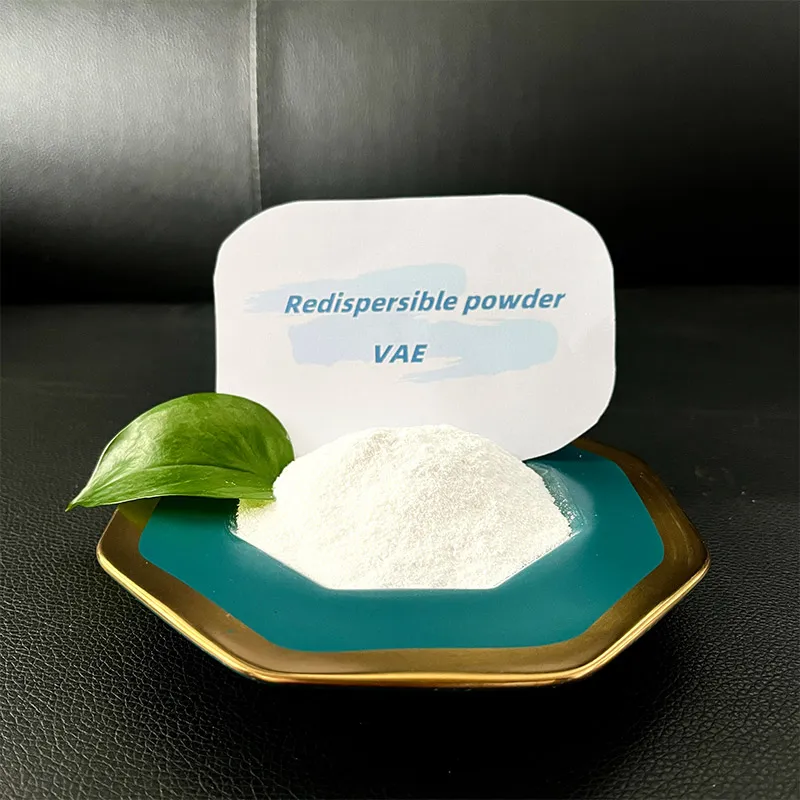
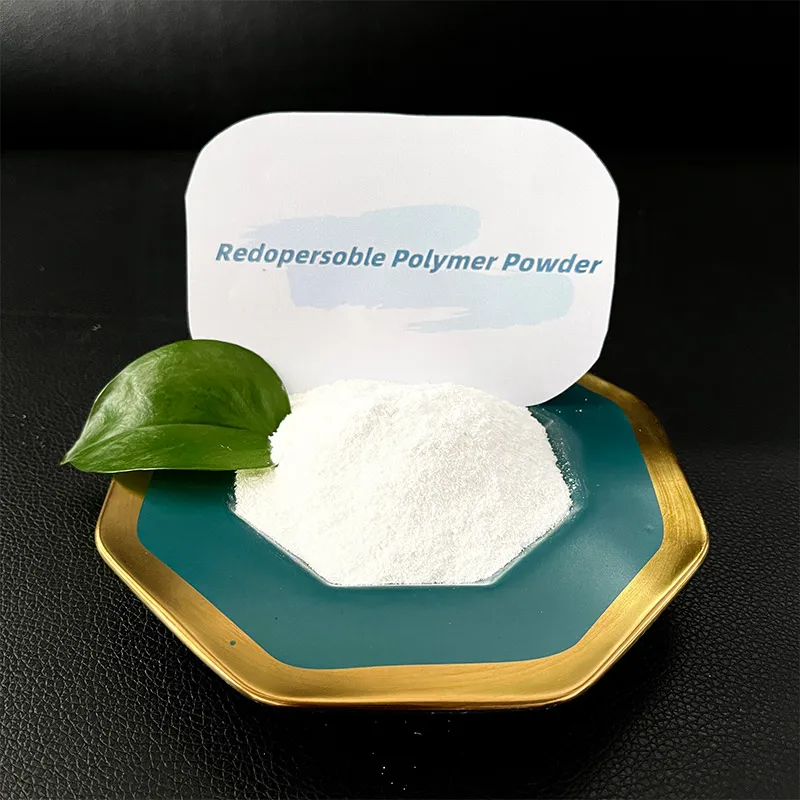
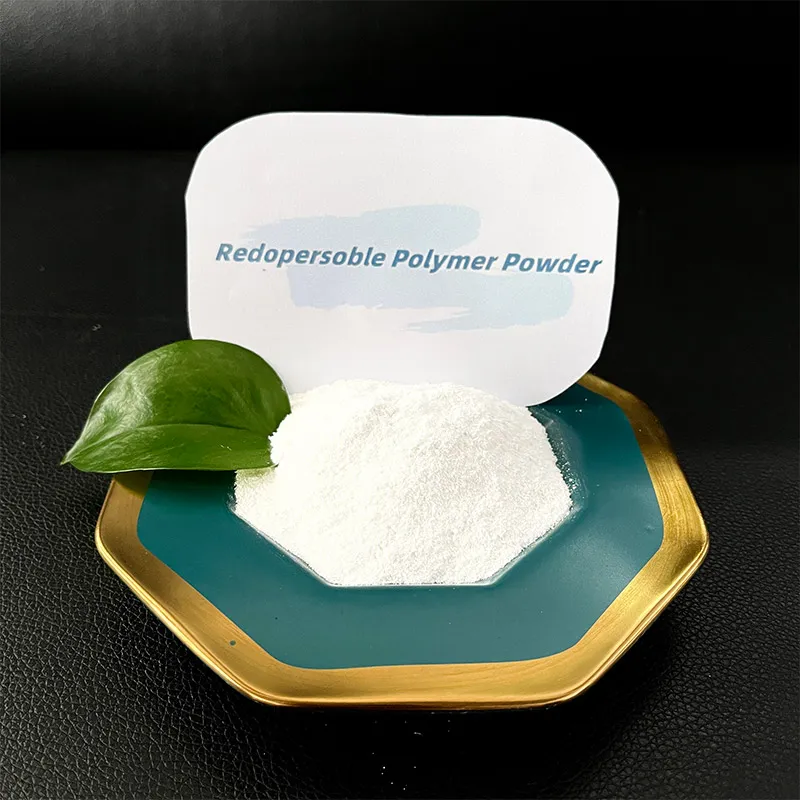
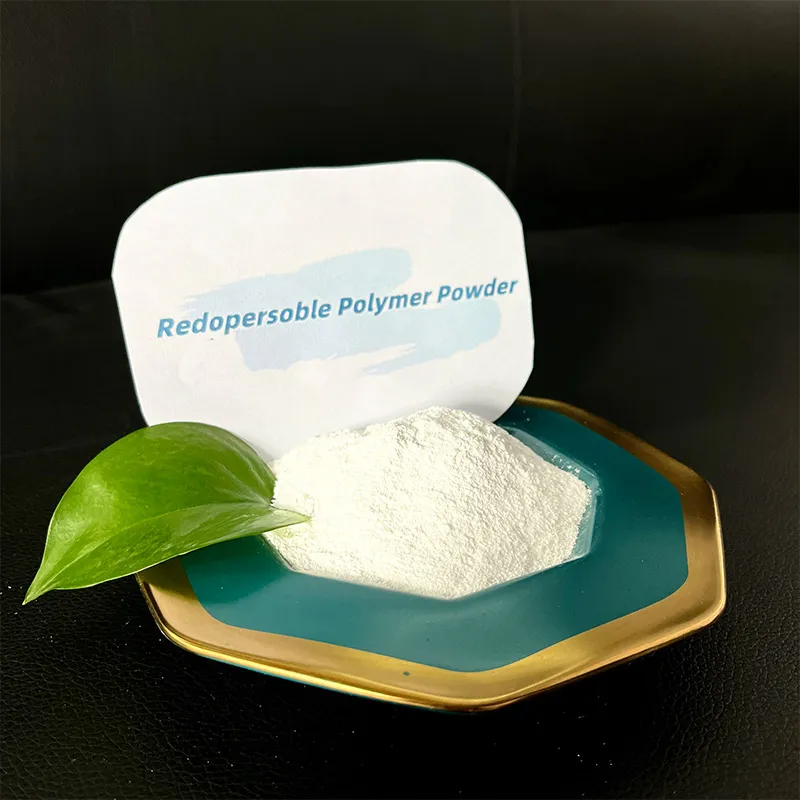
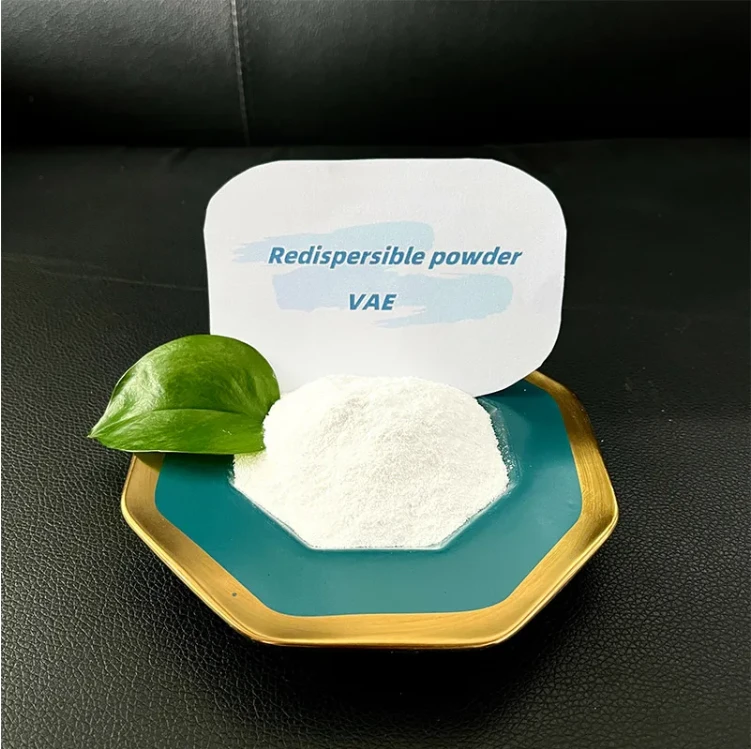
Redispersible emulsion powder is a vital ingredient in modern construction materials, offering numerous benefits in terms of performance and durability. This polymer powder is used in various building products such as cement, plaster, tile adhesives, and dry mix mortar. When added to these materials, redispersible emulsion powder improves flexibility, adhesion, and water retention, resulting in stronger and more durable constructions. The primary function of redispersible emulsion powder is to enhance the properties of dry mix products. It enables the mixture to be re-dispersed in water, which activates the polymer, improving its performance when applied in real-world conditions. For example, when used in plaster, it enhances adhesion to surfaces, making it more resistant to cracking. Similarly, when used in tile adhesives, it ensures better bonding and reduces the likelihood of tiles coming loose over time. In addition to providing superior technical benefits, redispersible emulsion powder is also cost-effective. It allows manufacturers to create high-performance building materials without increasing the overall cost. For construction professionals, this translates into high-quality results at a lower cost, which is essential for both large-scale projects and smaller, budget-conscious renovations. Ethylene Vinyl Acetate Powder: A Versatile Polymer in Construction Another essential polymer used in the construction industry is ethylene vinyl acetate powder (EVA powder) . This versatile material is widely used as an additive in construction products to improve their strength, durability, and flexibility. EVA powder is a copolymer made by combining ethylene and vinyl acetate, offering unique properties such as increased impact resistance, higher tensile strength, and improved flexibility. In the context of construction, ethylene vinyl acetate powder is used to enhance the properties of coatings, adhesives, and flooring materials. For example, when added to tile adhesives, it ensures that the adhesive remains flexible over time, preventing cracks and improving its ability to withstand temperature fluctuations. Similarly, in the production of flooring materials, EVA powder provides additional cushioning, making the floors more comfortable and durable. What makes ethylene vinyl acetate powder particularly valuable in construction is its ability to improve the workability of materials. It reduces the viscosity of adhesives and coatings, making them easier to apply and spread. The result is smoother, more efficient application processes, which save both time and labor costs. Additionally, EVA powder is known for its resistance to UV rays and chemicals, ensuring that construction materials remain strong and reliable over time, even when exposed to harsh environmental conditions. Polymers for Detergent Powder: Enhancing Performance and Efficiency While redispersible emulsion powder and ethylene vinyl acetate powder are widely known in the construction industry, their cousin – polymer for detergent powder – plays a crucial role in the detergent industry. Polymers in detergent powders are essential for improving their efficiency and performance, especially in terms of cleaning power and fabric protection. Polymers for detergent powder enhance the dispersibility of the powder in water, ensuring that the detergent can spread evenly across fabrics and dissolve effectively. They also help reduce the formation of residues, ensuring that detergents work at their best without leaving behind unwanted residues on clothing. Additionally, these polymers can be engineered to help control the release of detergents, enhancing their ability to clean in a variety of washing conditions. Another important benefit of polymer for detergent powder is its ability to help soften fabrics. Polymers like polyacrylates or polycarboxylates, which are commonly used in detergents, create a protective layer around fibers, reducing friction and wear and tear. This feature is particularly beneficial in laundry applications, as it not only improves the longevity of fabrics but also enhances their feel and appearance. Redispersible Polymer Powder Manufacturers: Key Players in Innovation When it comes to sourcing redispersible polymer powder , finding a reliable and experienced manufacturer is key to ensuring high-quality products. Redispersible polymer powder manufacturers play a crucial role in the supply chain, providing construction companies with the materials necessary to produce superior building products. These manufacturers invest in research and development to continuously improve the performance and properties of their products. By working with redispersible polymer powder manufacturers , businesses can access the latest innovations in polymer technology, ensuring that they are using the best materials available for their projects. Additionally, many manufacturers provide tailored solutions, customizing the polymer blends to suit specific applications or environmental conditions. The growing demand for high-performance building materials means that redispersible polymer powder manufacturers are also expanding their production capabilities to meet the needs of the global market. Whether it's in large-scale commercial projects or residential construction, the role of these manufacturers in supporting the industry cannot be overstated. How Redispersible Polymers and Additives Shape Construction and Detergent Products The impact of redispersible polymer powders and additives like ethylene vinyl acetate powder is not limited to just construction materials. These high-performance polymers are also making their mark in industries like detergents, where they enhance cleaning power and fabric care. Whether used in dry mix mortar or laundry detergents, these innovative ingredients play a critical role in improving product functionality and longevity. By incorporating these polymers into their products, manufacturers can improve the overall quality of the materials they produce, leading to better performance, durability, and customer satisfaction. The versatility of these additives allows them to be used across different industries, providing reliable solutions to everyday problems. Redispersible E mulsion P owder FAQs What is redispersible emulsion powder and how is it used in construction? Redispersible emulsion powder is a polymer that is used to enhance the properties of dry mix materials like cement, plaster, and tile adhesives. It improves flexibility, adhesion, and water retention, resulting in stronger and more durable constructions. How does ethylene vinyl acetate powder improve construction materials? Ethylene vinyl acetate powder (EVA powder) improves construction materials by enhancing their strength, flexibility, and resistance to environmental factors like UV rays and temperature fluctuations. It is often used in coatings, adhesives, and flooring materials. What are the benefits of using polymers in detergent powders? Polymers for detergent powder improve the dispersibility of the detergent in water, reduce residue formation, and help soften fabrics. They also enhance cleaning performance by controlling the release of detergents during the washing process. Why is it important to choose a reliable redispersible polymer powder manufacturer? Choosing a reliable redispersible polymer powder manufacturer ensures that you receive high-quality products that meet industry standards. These manufacturers also provide customized solutions to suit specific applications and environmental conditions. Can redispersible polymer powders be used in both residential and commercial construction? Yes, redispersible polymer powders are used in both residential and commercial construction projects. Their versatility makes them suitable for a wide range of applications, from cementitious coatings to tile adhesives and more. These advanced polymer technologies are essential to the modern construction and detergent industries. By investing in products like redispersible emulsion powder and ethylene vinyl acetate powder , you can ensure your construction and cleaning projects perform at their best. Explore our range of high-quality polymers and additives today on our website, and discover how they can improve the performance and durability of your products!
advantages
-

200000 Viscosities
Excellent product
We can produce pure products up to 200,000 viscosities
-

40000 tons
High yield
We don’t stop production all year round, and the annual output can reach 40,000 tons
-

24 hours
Quality service
We provide 24-hours online reception service, welcome to consult at any time
———— Inquiry Form
Schedule A services

-
 nylon_fibre_is
Oct . 25, 2025
In the dynamic world of construction and infrastructure, material performance is the foundation of l -
 is_cellulose_wood_chips
Oct . 25, 2025
Understanding the nuances of HPMC enteric coating is crucial for anyone involved in pharmaceuticals, -
 polvo_de_latex_redispersable
Oct . 25, 2025
The Significance of Nylon Fiber in Modern Textiles Nylon fiber, first introduced in the 1930s, revol


